
多尺度差异化气候减缓路径
-
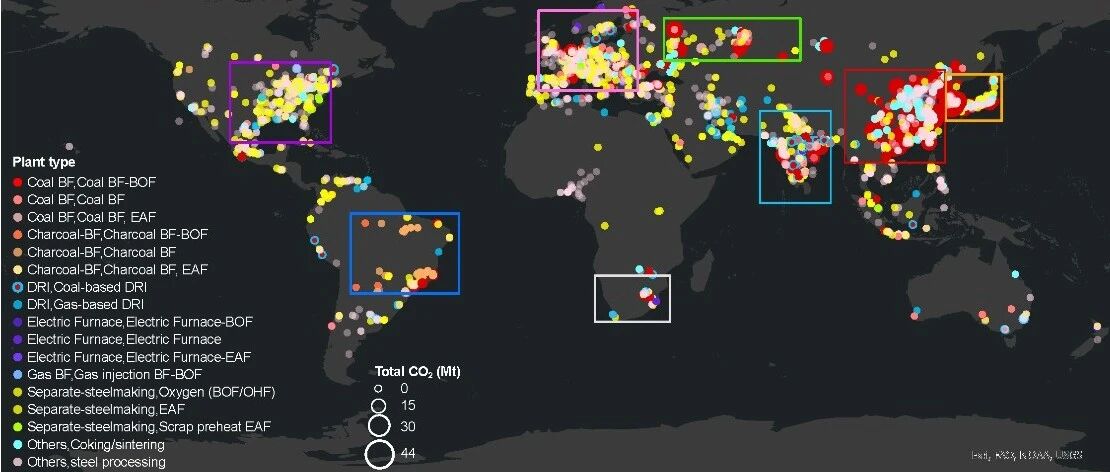
CEADs团队发文揭示全球钢铁行业工厂级碳排放及脱碳策略
研究背景 钢铁行业二氧化碳排放量约占全球工业排放总量的25%,是工业部门中碳排放最高的行业。近几十年来,城市化和工业化进程导致全球钢铁需求激增,推动全球范围内新建大量钢铁生产设施,对全球钢铁行业减排带来巨大挑战。目前钢铁行业排放主要来自于长流程炼钢工艺,其工序繁复,涉及多个排放环节,减排技术尚不成熟...
-
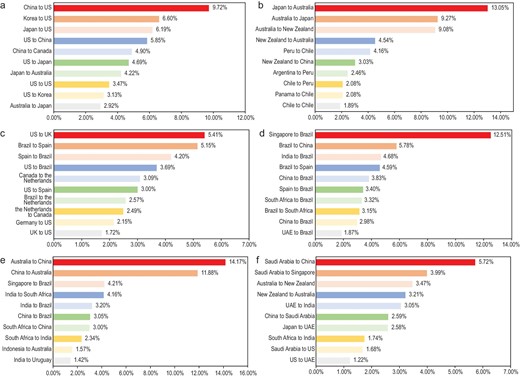
The climate impact of high seas shipping
Strict carbon emission regulations are set with respect to countries’ territorial seas or shipping activities in exclusive economic zones to meet their climate change commitment under the Paris Agreement. However, no shipping policies on carbon mitigation are proposed for the world’s high seas regions, which results in carbon intensive shipping activities. In this paper, we propose a Geographic-based Emission Estimation Model (GEEM) ...
-
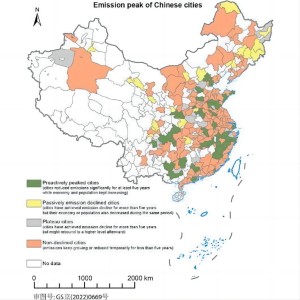
City-level emission peak and drivers in China
China is playing an increasing role in global climate change mitigation, and local authorities need more city-specific information on the emissions trends and patterns when designing low-carbon policies. This study provides the most comprehensive CO2 emission inventories of 287 Chinese cities from 2001 to 2019. The emission inventories are compiled for 47 economic sectors and include energy-related emissions for 17 types of fossil fuels ...
-
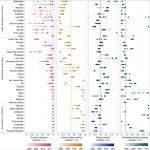
The heterogeneous role of energy policies in the energy transition of Asia–Pacific emerging economies
The achievement of sustainable energy systems requires well-designed energy policies, particularly targeted strategies to plan the direction of energy development, regulations monitored and executed through credible authorities and laws enforced by the judicial system for the enhancement of actions and national targets. The Asia–Pacific region (APAC), responsible for more than half of global energy consumption, has enacted a large numb...
-
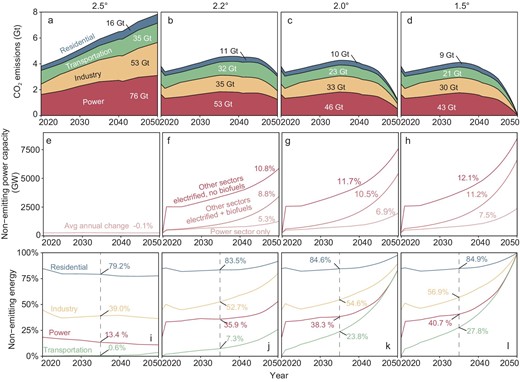
Global mitigation efforts cannot neglect emerging emitters
International efforts to avoid dangerous climate change have historically focused on reducing energy-related CO2 emissions from countries with either the largest economies (e.g. the EU and the USA) and/or the largest populations (e.g. China and India). However, in recent years, emissions have surged among a different and much less-examined group of countries, raising concerns that a next generation of high-emitting economies will obviate...
-
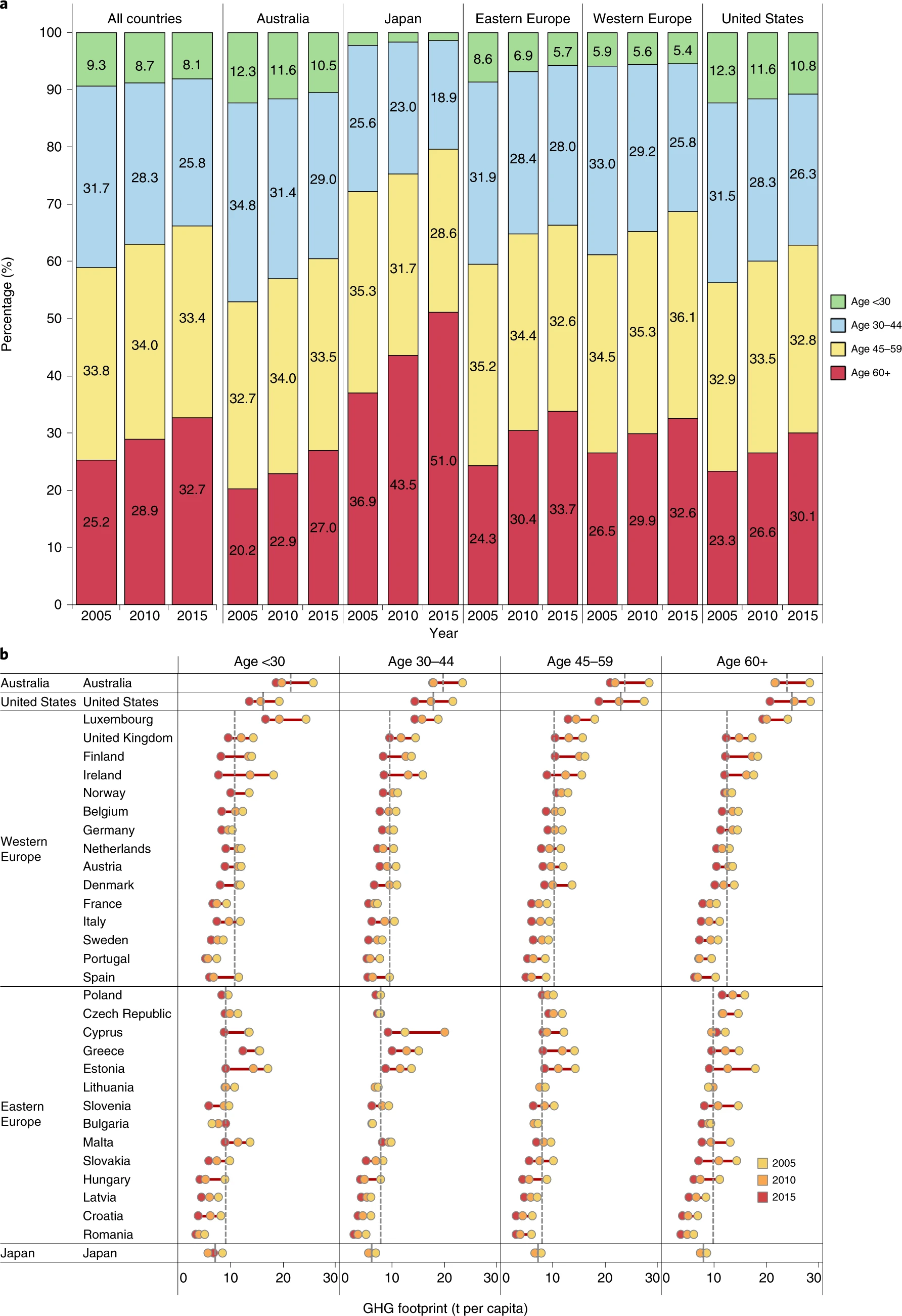
Ageing society in developed countries challenges carbon mitigation
Populations in developed countries are ageing. However, the impact of senior citizens’ consumption on global carbon mitigation is poorly understood. Here we find that senior citizens have played a leading role in driving up GHG emissions in the past decade and are on the way to becoming the largest contributor. Considering the greenhouse gas footprint of household consumption across age groups in 32 developed countries, the senior cont...
-
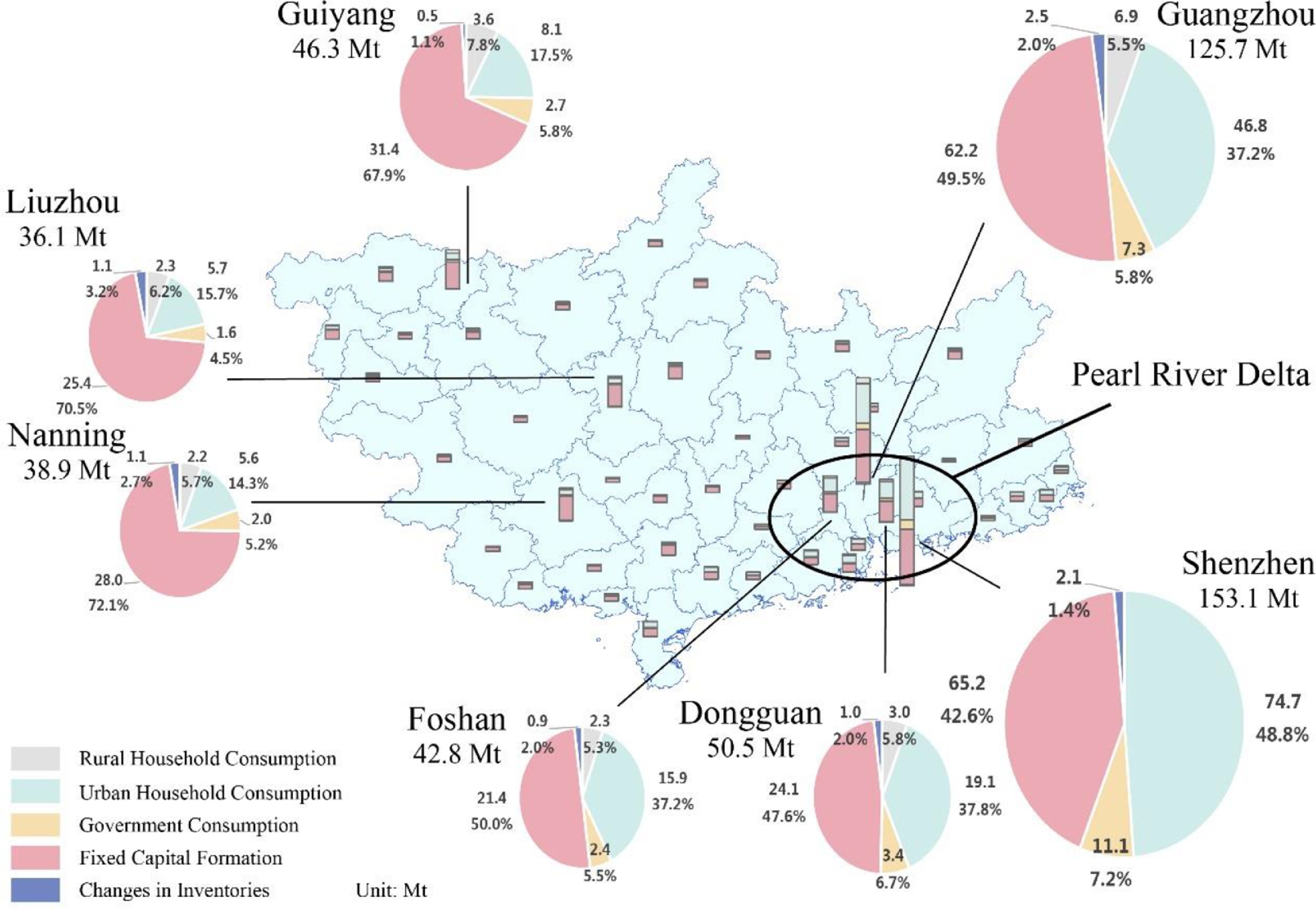
Cities are leading carbon mitigation but are heterogeneous in their mitigation policies due to differen
Cities are leading carbon mitigation but are heterogeneous in their mitigation policies due to different socioeconomic backgrounds. Given that cities are increasingly inextricably linked, formulating mitigation policies of different cities cannot be easily achieved without comprehensive carbon inventories, who taking the inter-city supply chains into account. The Pearl River Basin is one of the important economic zones in China, with hug...
-
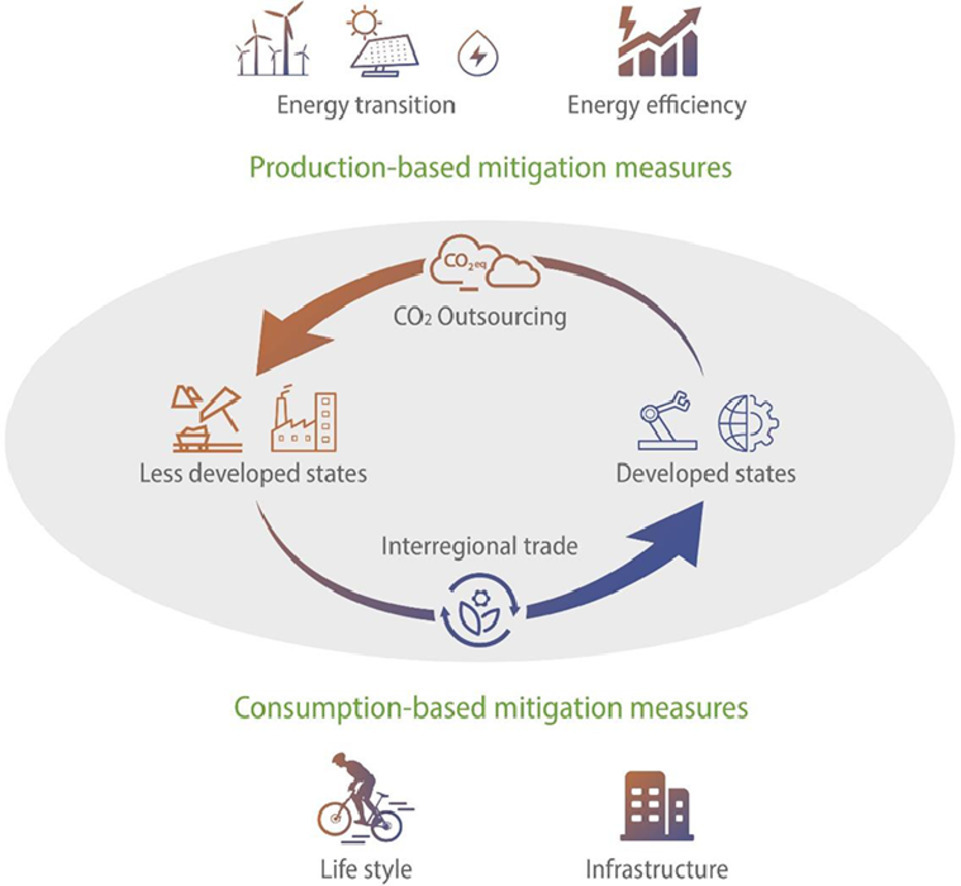
Heterogeneity of consumption-based carbon emissions and driving forces in Indian states
As the second most populous country in the world, India is on the way to rapid industrialization and urbanization, possibly becoming the next carbon giant. With its vast territory and high regional heterogeneity in terms of development stages and population, state-level consumption-based emissions patterns and driving forces are critical but unfortunately, remain far from completed. In this paper, we first applied a multi-regional input-...
-
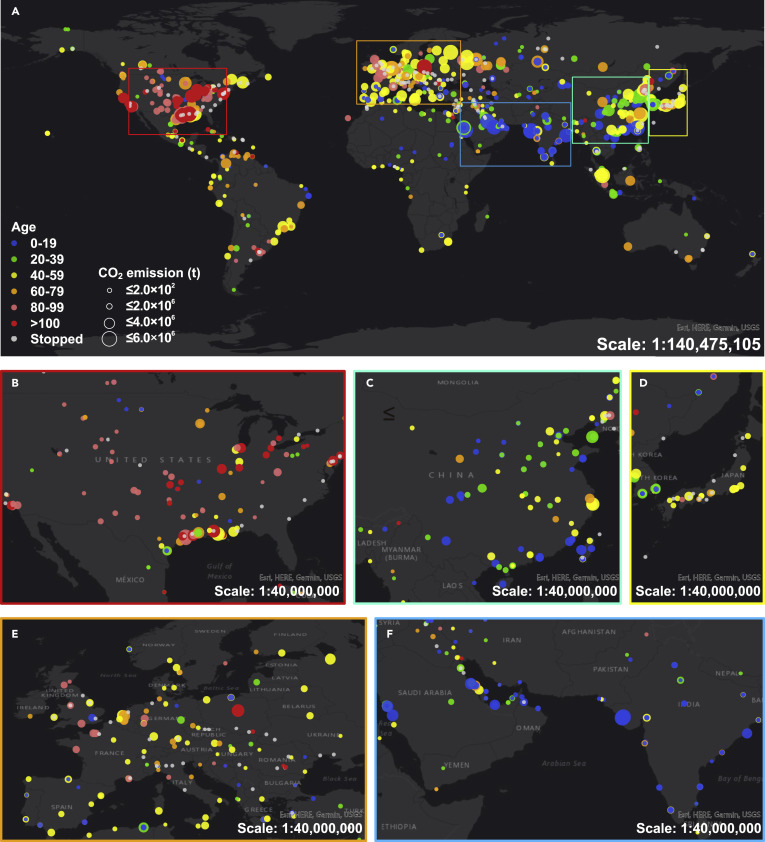
Adaptive CO2 emissions mitigation strategies of global oil refineries in all age groups
Continuous expansion of fossil fuel-based energy infrastructure can be one of the key obstacles in delivering the Paris Agreement goals. The oil refinery is the world's third-largest stationary emitter of greenhouse gases (GHGs), but the historical mapping of the regional-specific refining industry, their CO2 emission patterns, and mitigation potentials remain understudied. This study develops a plant-level, technical-specific, and time-...
-
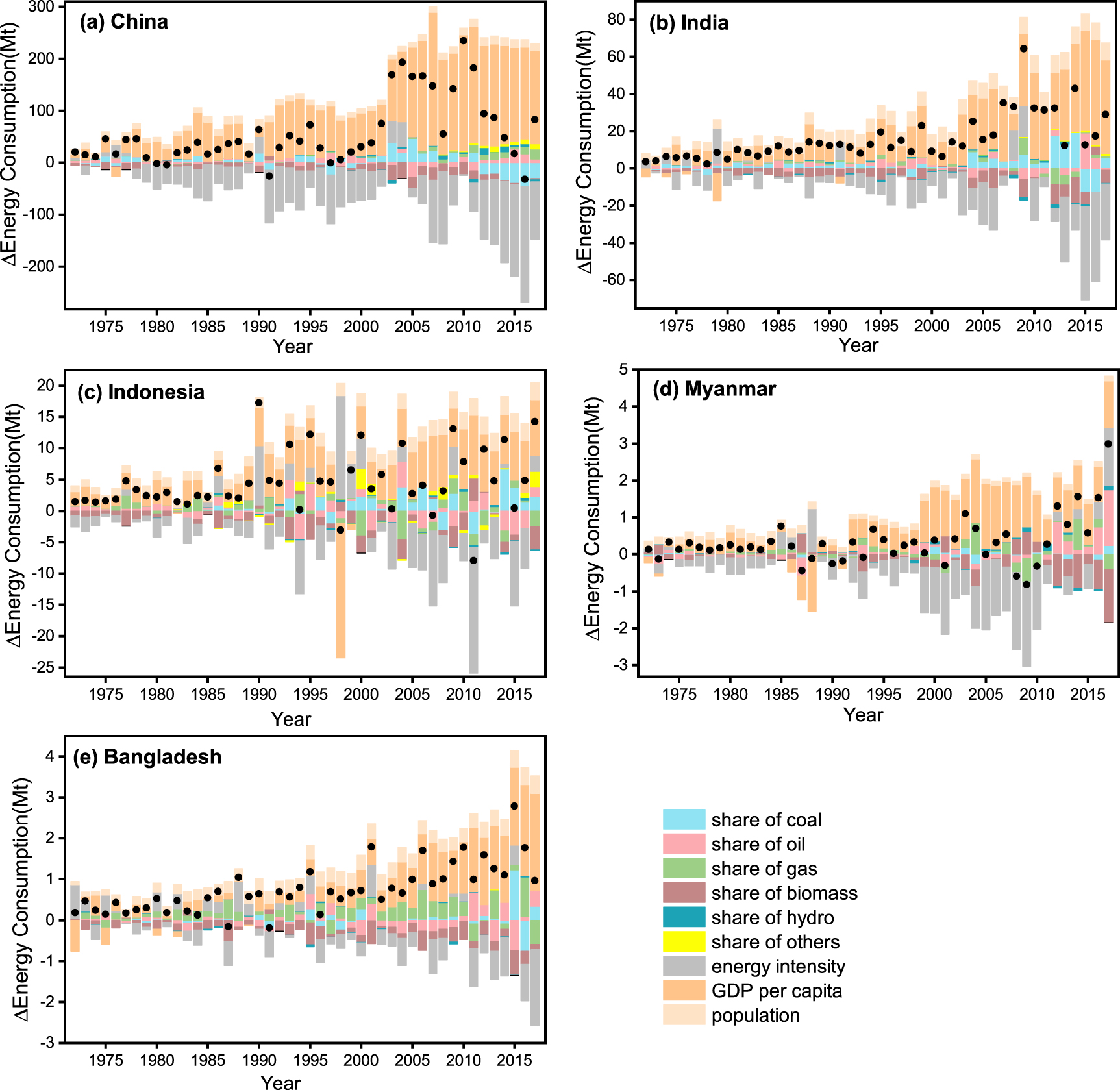
Economic growth is principally powered by energy fuels. While the potential energy transition pathways
Economic growth is principally powered by energy fuels. While the potential energy transition pathways in developed countries are clear, they have not been well explored for developing countries. Here, we study the average annual growth rate of energy consumption in 12 aggregated regions during 2001–2017 and the driving factors behind that growth. The countries with high energy consumption growth rates were concentrated in Asia and Nor...