
碳排放精准表征
-
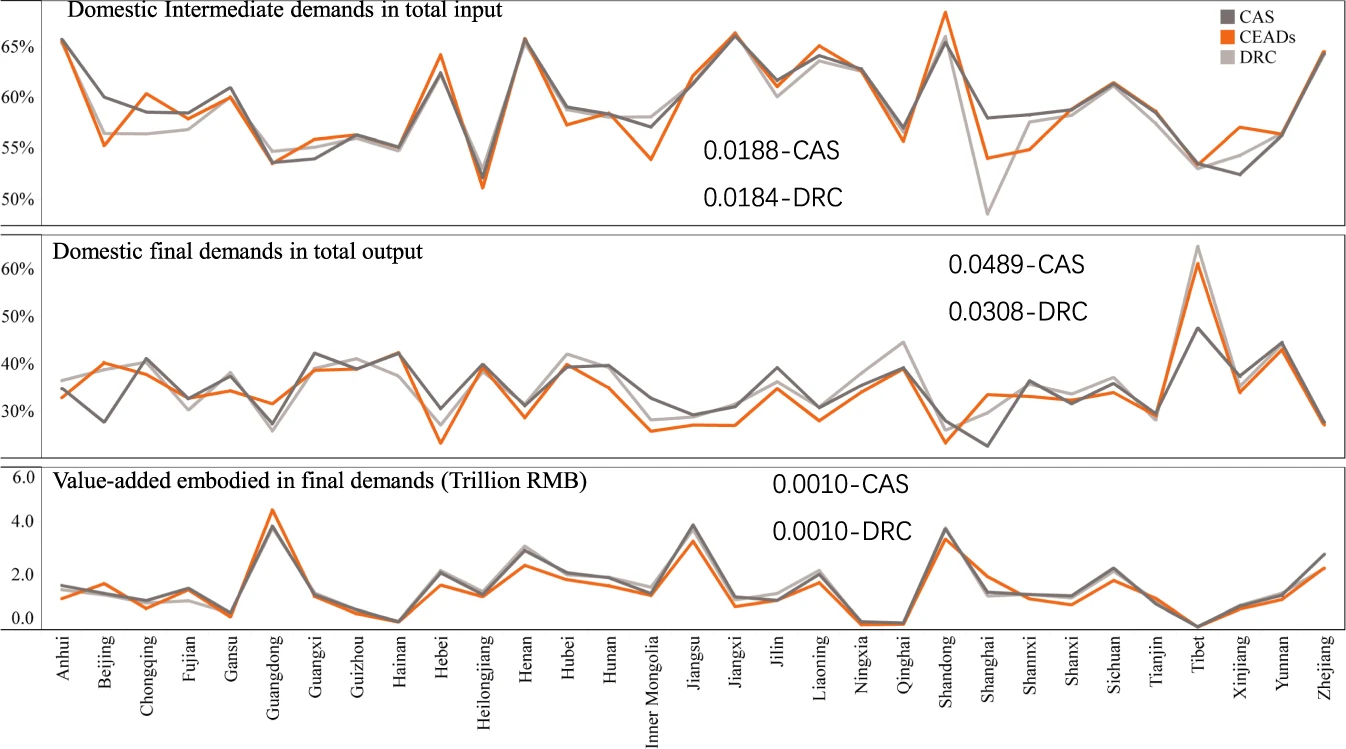
Chinese provincial multi-regional input-output database for 2012, 2015, and 2017
Global production fragmentation generates indirect socioeconomic and environmental impacts throughout its expanded supply chains. The multi-regional input-output model (MRIO) is a tool commonly used to trace the supply chain and understand spillover effects across regions, but often cannot be applied due to data unavailability, especially at the sub-national level. Here, we present MRIO tables for 2012, 2015, and 2017 for 31 provinces of...
-
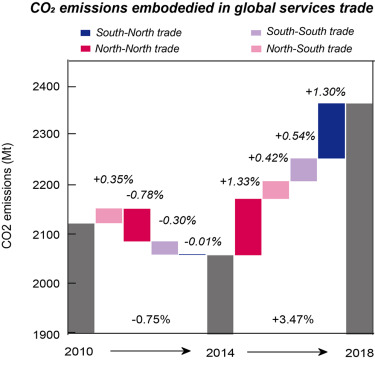
Drivers of fluctuating embodied carbon emissions in international services trade
Service industries are generally considered “green” because of their marginal direct emissions; however, they account for 65% of the world gross domestic product and over 20% of total global trade in 2019. Here, we quantify the evolution of carbon emissions embodied in services trade from 2010 to 2018 and identify the driving factors of emission change at the global and regional scales. The annual growth rate of embodied emissions ex...
-
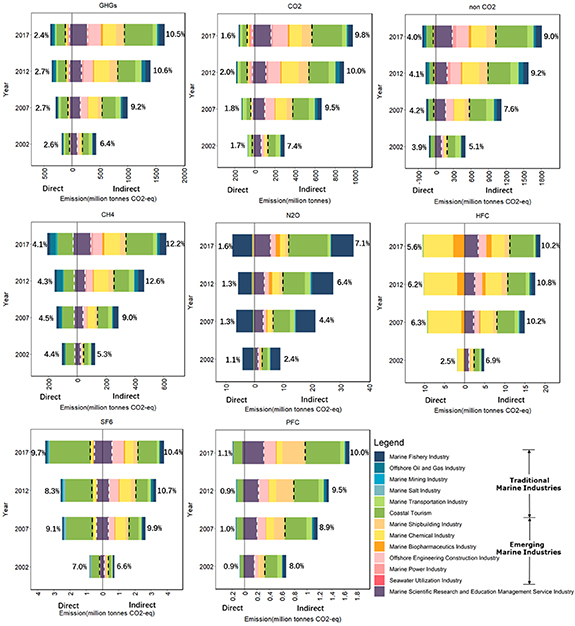
Supply chain effects of China's fast growing marine economy on greenhouse gas emissions
The marine economic activities has become a vital economic driving force for development of China's economy. However, the trajectory of greenhouse gas (i.e. GHG) emissions associated the fast growing marine economy and its role in emission mitigation remain unclear. Through compiling high-resolution and time-series environmental input–output tables for 2002, 2007, 2012 and 2017, this study quantify development of 13 key marine industri...
-
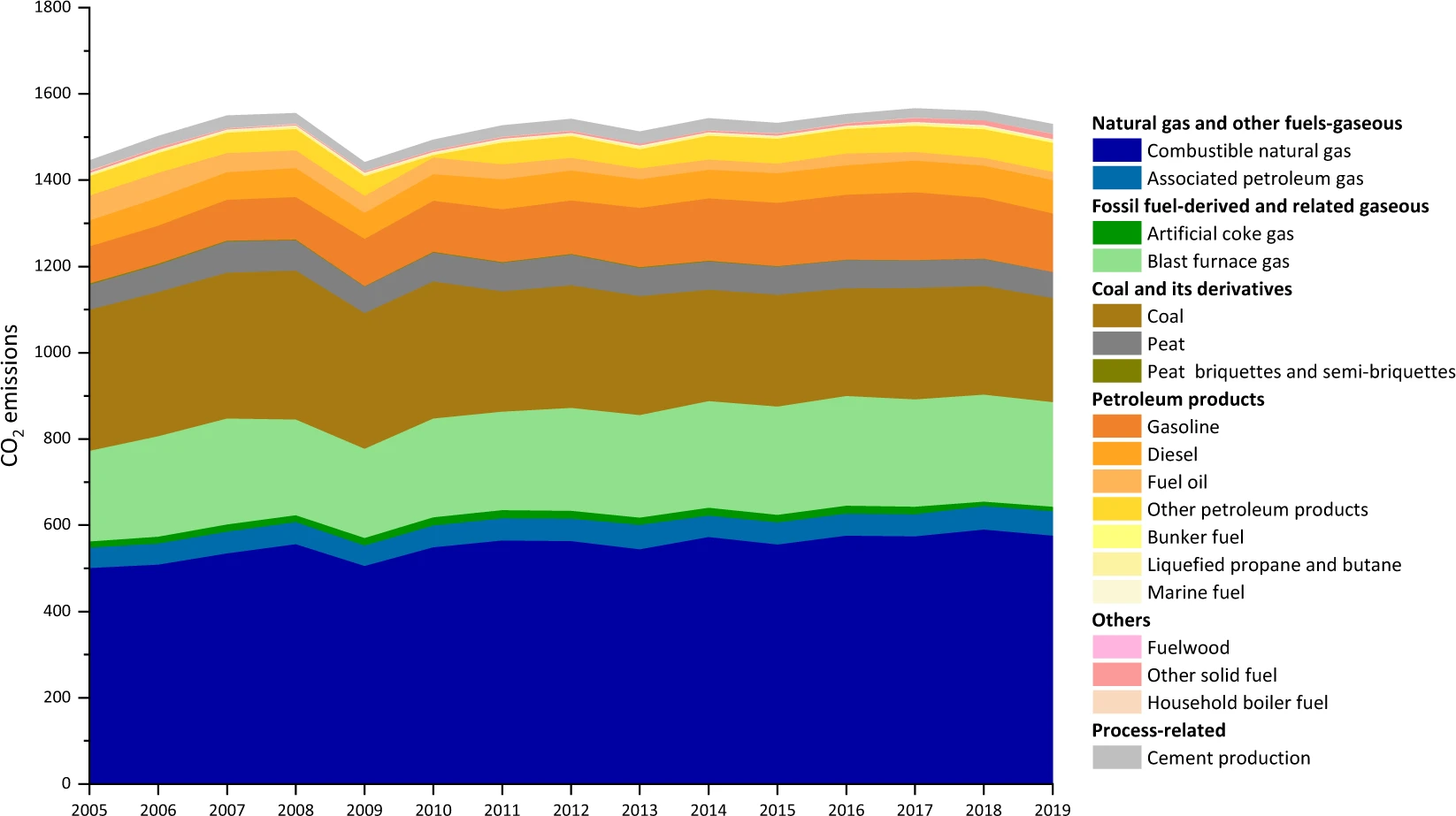
CO2 emission accounts of Russia’s constituent entities 2005–2019
Constituent entities which make up Russia have wide-ranging powers and are considered as important policymakers and implementers of climate change mitigation. Formulation of CO2 emission inventories for Russia’s constituent entities is the priority step in achieving emission reduction. Russia is the world’s largest exporter of oil and gas combined and the fourth biggest CO2 emitter, so it’s efforts in mitigating CO2 emissions are g...
-
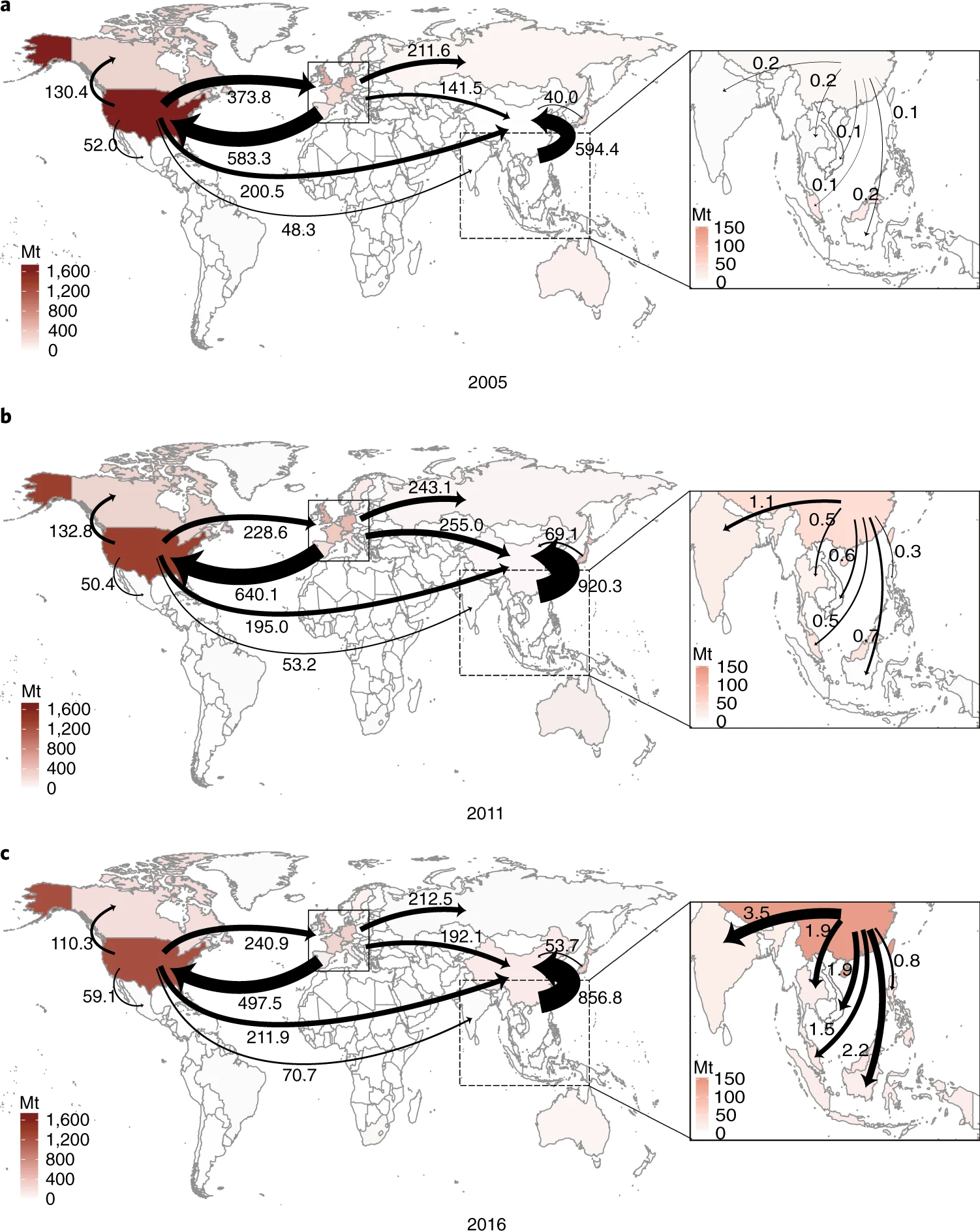
Embodied carbon emissions in the supply chains of multinational enterprises
Enterprises are at the forefront of climate actions and multinational enterprises (MNEs) engage in foreign direct investment, allowing them substantial influence over the entire supply chain. Yet emissions embodied in the international supply chains of MNEs are poorly known. Here we trace the carbon footprints of foreign affiliates of MNEs and show that the gross volume of global carbon transfer through investment peaked in 2011, mainly ...
-
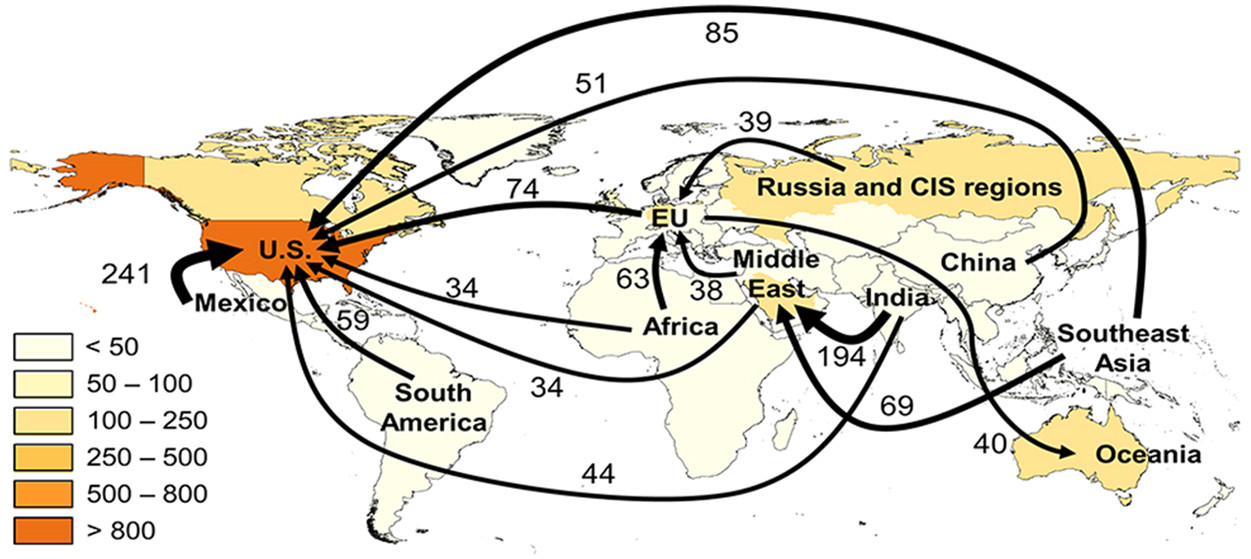
CO2 Emissions Embodied in International Migration from 1995 to 2015
While present international CO2 mitigation agreements account for the impact of population composition and structure on emissions, the impact of international migration is overlooked. This study quantifies the CO2 footprint of international immigrants and reveals their non-negligible impacts on global CO2 emissions. Results show that the CO2 footprint of international immigrants has increased from 1.8 gigatonnes (Gt) in 1995 to 2.9 Gt in...
-
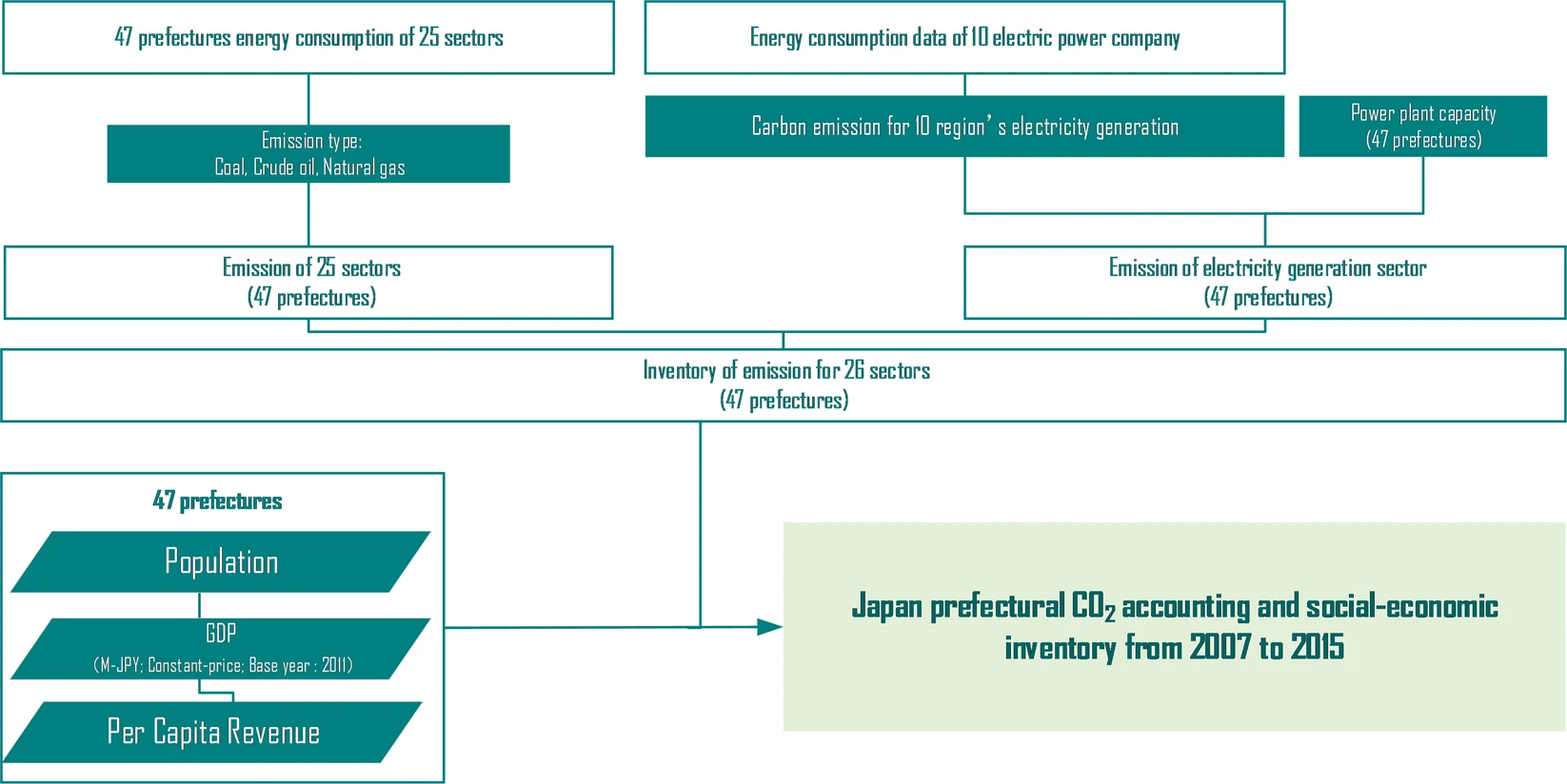
Japan prefectural emission accounts and socioeconomic data 2007 to 2015
In the wake of the Fukushima nuclear disaster, Japan largely moved away from nuclear power generation and turned back towards an energy sector dominated by fossil fuels. As a result, the pace towards reaching emission reduction targets has largely slowed down. This situation indicates that higher emissions will continue to be generated if there is no appropriate and efficient measurement implemented to bridge the energy demand gap. To co...
-
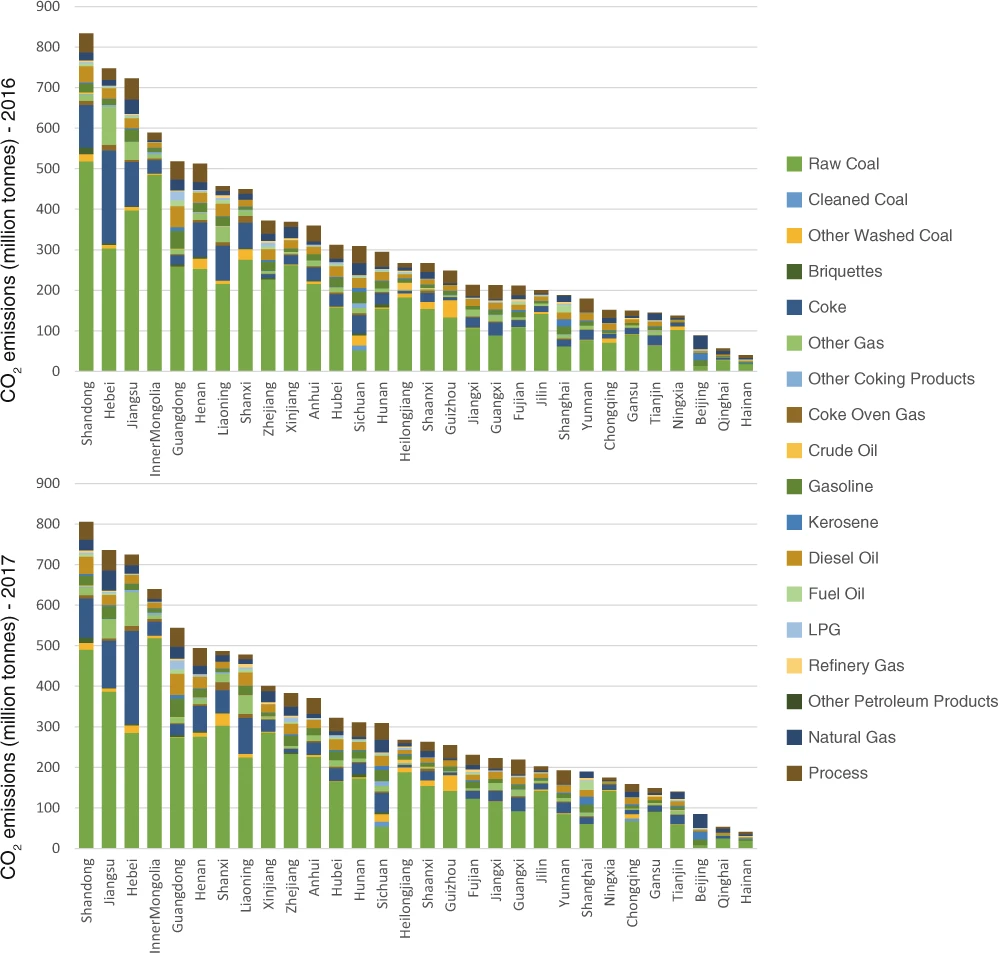
China CO2 emission accounts 2016–2017
Despite China’s emissions having plateaued in 2013, it is still the world’s leading energy consumer and CO 2 emitter, accounting for approximately 30% of global emissions. Detailed CO 2 emission inventories by energy and sector have great significance to China’s carbon policies as well as to achieving global climate change mitigation targets. This study constructs the most up-to-date CO 2 emission inventories for China and its 30 ...
-
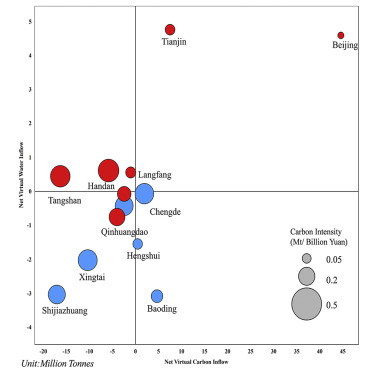
Mapping Carbon and Water Networks in the North China Urban Agglomeration
Our future is urban. With more than two-thirds of the global population expected to live in cities by 2050, urban sustainability is an essential part of sustainable development but remains poorly understood for urban agglomerations, which continue to develop and grow. Here, we construct a multiregional input-output table at the city level and investigate the impacts of water and carbon flows on the intercity supply chain of the Beijing-T...
-
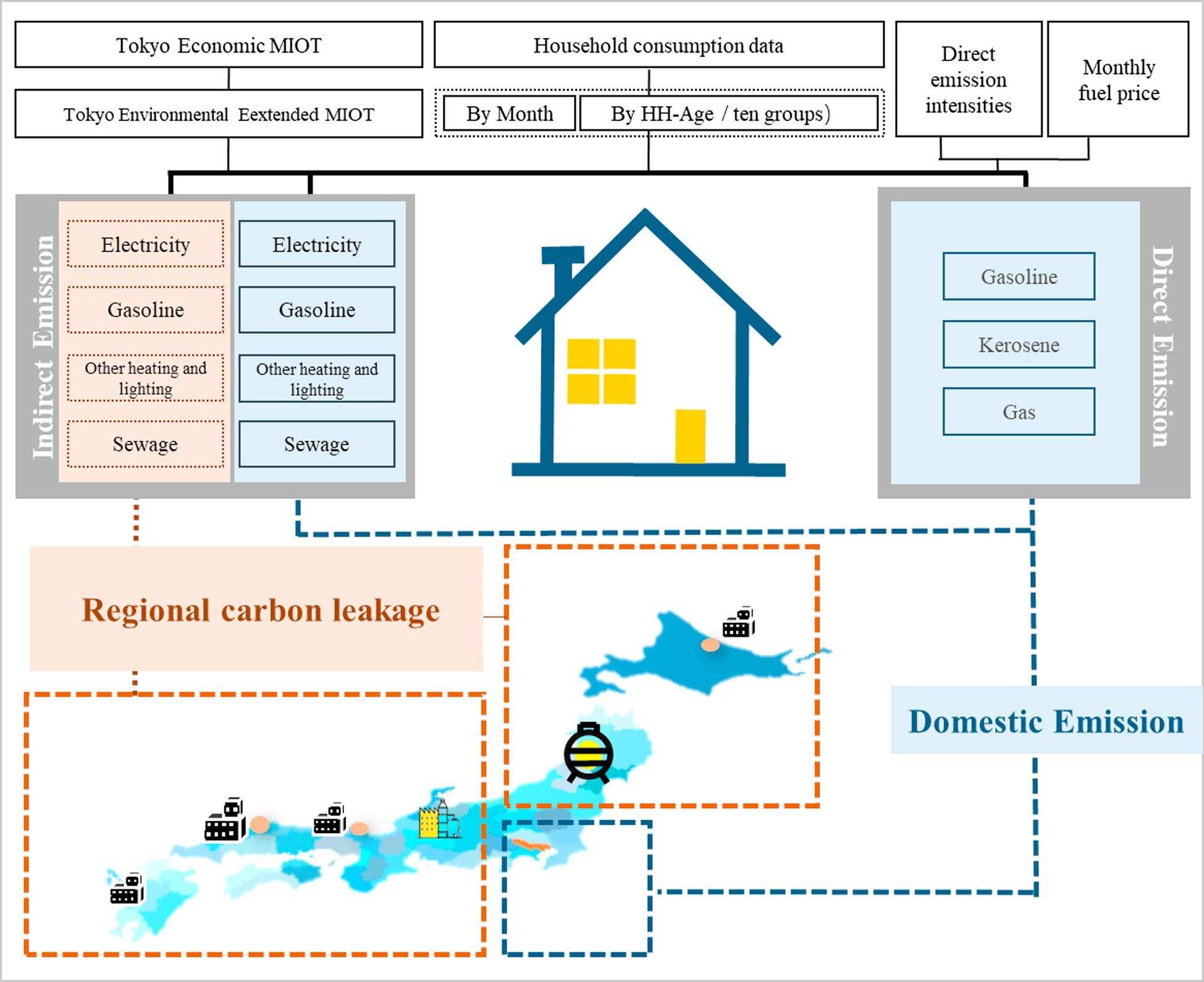
Unequal age-based household emission and its monthly variation embodied in energy consumption–A cases
City is the main place to consume goods and services throughout the world. Among the various consumption terminals, household-level consumption is highly behavior driven, which can be affected by various factors such as household income level, age, living environment etc. However, city-level household emissions characteristics are still not fully understood due to the complexity of consumption behaviors and the lack of the supply chain’...